A Movie that Struck a Jungian Chord
When looking at the pantheon of psychology, I can’t help but look at Carl Jung and his idea of the anima and animus; and project it onto all the art I consume. To Jung, our best self develops when we uncover and accept all parts of our personality. The aforementioned anima and animus are just one of the facets that create our total self. Other archetypes that lay unconscious within are the shadow, self, and persona. The animus is the unconscious masculine self that is found in woman, while the anima is the unconscious feminine side that is found in men. It is a mystical theory which falls to one critique; Jungs classification of each archetype with gender stereotypes.
In “Man and His Symbols”, Jung explains the animus and anima dyad. “The anima is the personification of all feminine psychological tendencies in a man’s psych, such as vague feelings and moods, prophetic hunches, receptiveness to the irrational, capacity for personal love, feeling for nature” (186). Regarding the animus he writes that it is “an invaluable inner companion who endows her with the masculine qualities of initiative, courage, objectivity, and spiritual wisdom” (206). It is clear that each archetype is blanketed with gender stereotypes. This critique can be broadened to gender stereotypes as a whole. What is the evidence that the masculine animus is “courageous” and “objective”, whereas the feminine anima expresses “vague feelings and moods”?
I am not alone in this feeling, as Naomi Goldenberg, in her paper “A Feminist Critique of Jung”, explains that much of Jungian thought is reliant on the concept of the “Eternal Feminine”. Jungs reasoning of what constitutes the characteristics of anima and animus are too absolute and constricting, further worsened by relying on ancient stories with ancient values to propagate his research. She concludes that contemporary feminist thinkers must be creative and look for modern stories, or discover forgotten ones to change what construes the animus in woman.
Despite this criticism, which is not wholly on the fault of Jung alone, his overall theory of discovering and integrating lost personas is invigorating. He explains that our best self is already within us, all we have to do is search and accept whatever we find, and he called this process “individuation”.
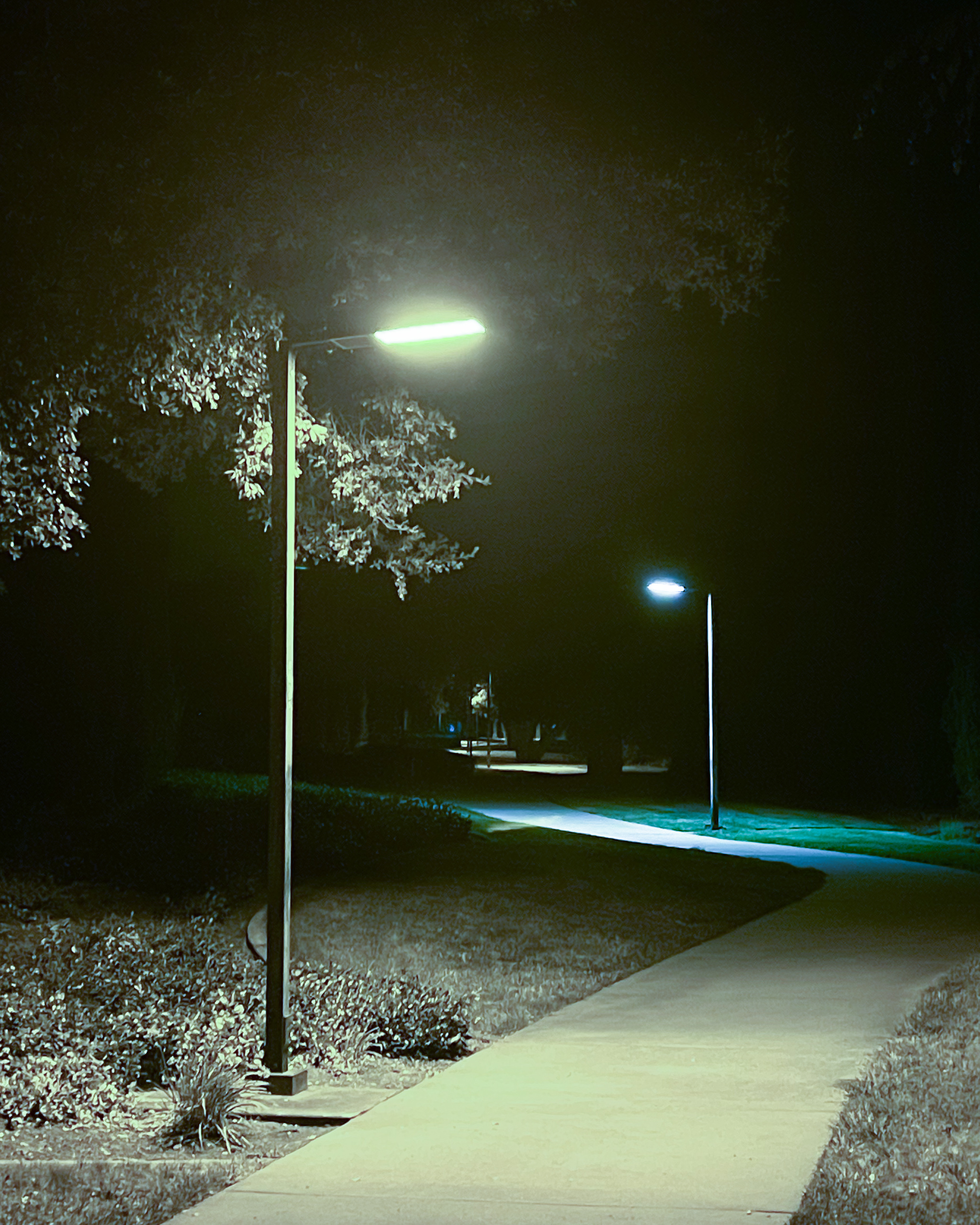
“I Saw the TV Glow” is an art piece that unexpectantly lingered in my mind. Released in 2024, this film is a story about a man named Owen who befriends a girl named Maddy, over the shared love for a television series entitled “The Pink Opaque”. Throughout the film, the viewer enjoys solitudinal suburban imagery, scenes of the characters walking to each other's houses in the liminal blue night. This movie which was like nothing I ever watched before, was best explained to me through a Jungian perspective. To me, Maddy represents the anima that Owen must accept and integrate into his personality, yet he fearfully pushes her away. The result being an unfulfilled and lonely life, regressing into fixations of childhood nostalgia, clearly expressed in the last few moments of the movie. If only we can integrate all aspects of ourselves, we can live a full life.
As I write this, and the subsequent essays, it is all in the pursuit to dive deeper within myself and uncover the lost aspects of my personality.
Sources: "Man and His Symbols" - Carl Jung
"A Feminist Critique Jung" - Naomi Goldenberg
https://www.verywellmind.com/the-impact-of-liminal-space-on-your-mental-health-5204371#:~:text=Liminal%20space%20is%20the%20uncertain,limen%2C”%20which%20means%20threshold.